Infrastructure Solutions

Polyhouse & Greenhouse Construction in India

Protected cultivation is now the fastest route to export-grade quality for capsicum, coloured bell pepper, cucumber, rose, gerbera and gypsophila growers in Maharashtra, Karnataka, Himachal and Punjab. Srivena designs, fabricates and erects naturally ventilated polyhouses, fan-and-pad greenhouses and shade net houses, and hands over the irrigation, fertigation and crop plan with the structure.

Enquire about this
Greenhouses & Polyhouses , Srivena Farm Solutions, India

Scope of work

  • Greenhouses, polyhouses, shade-net houses and mist chambers
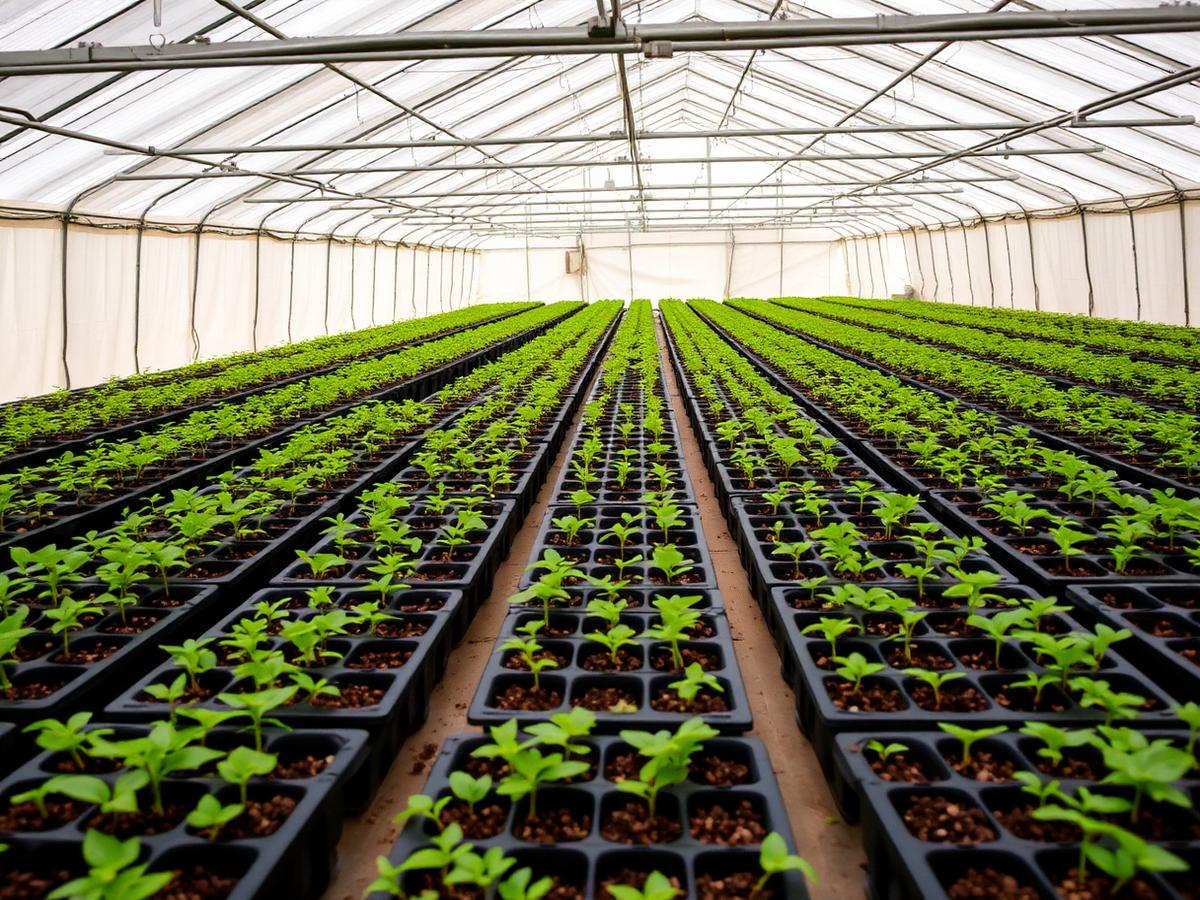
  • Hardening units and nursery structures
  • Irrigation, fertigation, climate-control and water-management systems
  • Operation, maintenance and annual service contracts

What we build

Structures are designed to the site's wind zone, span requirement and crop, not to a single catalogue model.

  • Naturally ventilated polyhouse (NVPH) with top and side vents, 4 m to 6 m gutter height
  • Fan-and-pad climate-controlled greenhouse for high-value floriculture and nursery work
  • Shade net houses (35%, 50%, 75%) and insect-proof net houses for nursery raising
  • Walk-in tunnels and low tunnels for off-season vegetable production
  • GI pipe structure, UV-stabilised 200 micron film, aluminium profile and spring locking
  • Drip and fertigation, foggers, gutters, rainwater collection and internal pathways

What drives the cost

Indian polyhouse pricing is usually quoted per square metre, and the spread comes from a handful of variables. Ask any supplier to break the quote across these lines before comparing prices.

  • Structure type: shade net house is the lowest cost, NVPH mid, fan-and-pad the highest
  • Gutter height and span: taller structures need heavier sections and more steel per sqm
  • Cladding grade and film micron, and whether anti-insect net and thermal screens are included
  • Site levelling, foundation depth, wind zone and cyclone-prone coastal locations
  • Irrigation, fertigation automation, sensors and power backup included in scope
  • Distance from the fabrication unit, which changes freight and erection cost

Subsidy and documentation

Protected cultivation is supported under MIDH (Mission for Integrated Development of Horticulture) and administered through State horticulture departments and the National Horticulture Board, with assistance rates and area caps that differ by State and by category of farmer. We prepare the technical drawings, bills of quantity, estimate and completion documents in the format the department expects, and coordinate joint inspection. Sanction, rates and eligibility are decided entirely by the department; we do not promise approval or a particular subsidy amount.

Frequently asked questions

What is the cost of a polyhouse per acre in India?
Cost is quoted per square metre and one acre is about 4,047 sqm. A shade net house, a naturally ventilated polyhouse and a fan-and-pad greenhouse sit at three clearly different price levels, and gutter height, film grade, automation and site conditions move each one further. We survey the site and issue an itemised quotation rather than a per-acre figure, because a headline per-acre number usually hides what has been left out.
How much subsidy is available for a polyhouse?
Assistance for protected cultivation is available under MIDH through your State horticulture department and the National Horticulture Board. Rates, area limits and the share for small, marginal and SC/ST farmers vary by State and change between years, so the current sanctioned rate must be confirmed with your district horticulture officer. We prepare the drawings, estimate and completion papers required for the file.
Which crops give the best return in a polyhouse?
In Indian conditions the common choices are coloured capsicum, cucumber (parthenocarpic), tomato, rose, gerbera, carnation and chrysanthemum, plus nursery seedling raising. The right crop depends on your altitude, winter minimum, distance to a terminal market and whether you have a buyer, so we work the crop plan out before finalising the structure.
How long does a polyhouse last?
The GI structure is designed for long service life; the UV-stabilised film is a consumable normally replaced on a multi-year cycle depending on micron, UV grade and local dust and hail exposure. Shade nets and insect nets have their own replacement cycle. Actual life depends on maintenance and site conditions.
How long does construction take?
After site levelling and material despatch, erection of a standard naturally ventilated structure is a matter of weeks, longer for climate-controlled units or difficult sites. Monsoon, site access and power availability are the usual delays.
Do you work outside Maharashtra?
Our base is Pune and Maharashtra is our strongest service region. We take up projects in other States where the site size justifies mobilising a fabrication and erection team. Tell us the district and area and we will say clearly whether we can serve it.
Activities in this category are undertaken only after obtaining the licences, registrations, accreditations and land-use or statutory approvals required under applicable Central, State and local laws. Any cost figures shown are indicative market ranges for orientation only and are not quotations.